
Treatment for Post-Traumatic Stress Disorder often involves a combination of therapy, medication, and support from mental health professionals. One of the most effective forms of treatment is psychotherapy, also known as talk therapy. Cognitive behavioral therapy (CBT) helps individuals identify and change negative thought patterns connected to trauma. Another common approach is exposure therapy, which gradually helps people face traumatic memories in a safe environment so they can reduce fear and anxiety over time.


Medications can also play an important role in PTSD treatment, especially for people struggling with severe anxiety, depression, or sleep problems. Doctors may prescribe antidepressants to help balance mood and reduce symptoms such as panic, sadness, or irritability. In some cases, medication may also help decrease nightmares and improve sleep quality. While medicine does not cure PTSD, it can make symptoms more manageable and improve a person’s ability to participate in therapy and daily activities.
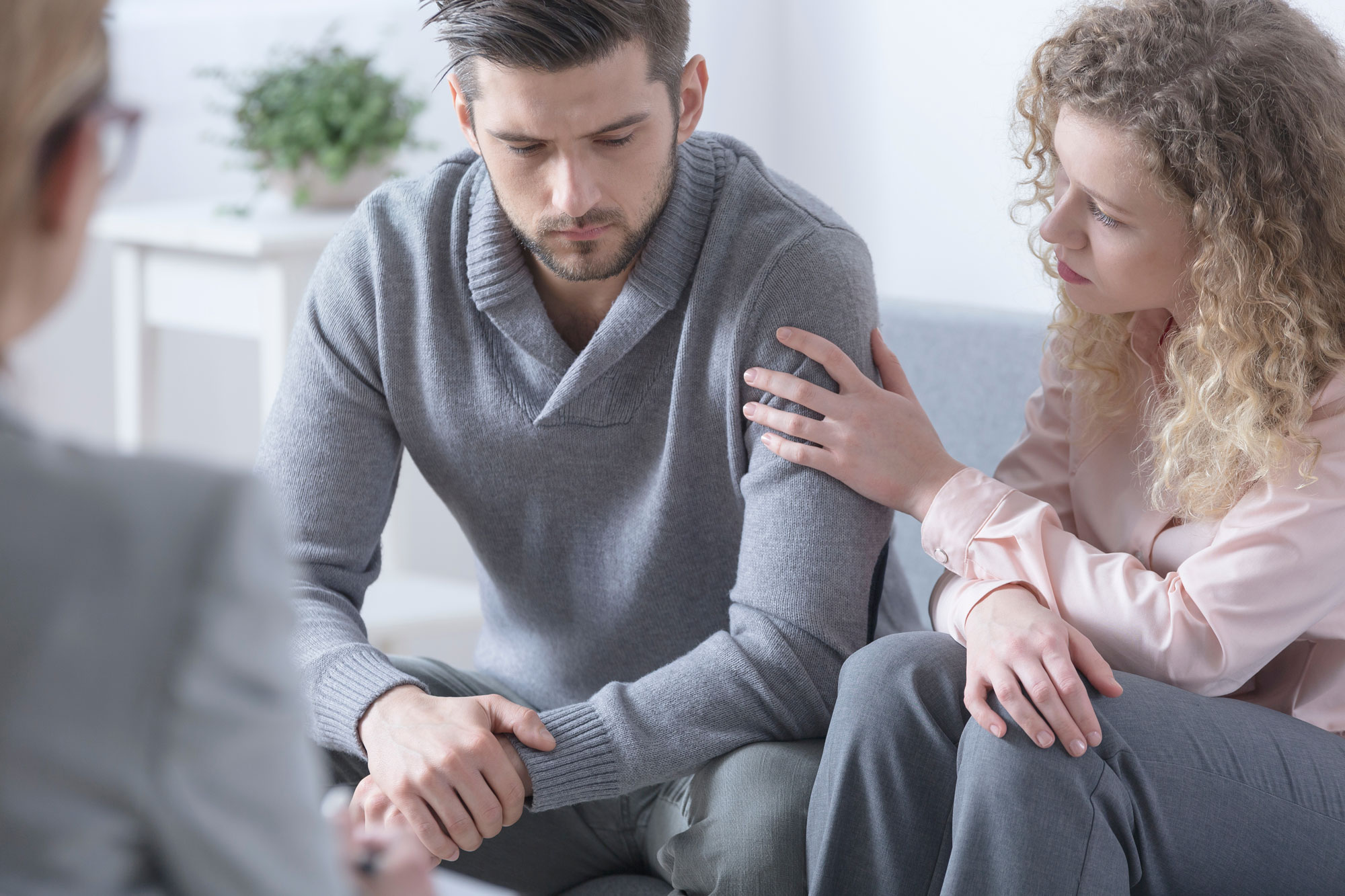
Support systems are another essential part of recovery from PTSD. Family members, friends, and support groups can provide encouragement and understanding during the healing process. Healthy lifestyle habits, such as regular exercise, relaxation techniques, and maintaining a routine, may also help reduce stress and improve emotional well-being. Recovery from PTSD can take time, but with proper treatment and support, many people are able to regain control of their lives and build healthier coping strategies.